

Lycium barbarum
Goji / Goji
Solanaceae (Nachtschadefamilie)Asia (east)

Edible plant part (2)
Fruits,
leaves
Read 'form of consumption' for safe preparation methods
Goji belongs to the small shrubs in the food forest. In the process of ecological succession it is a mid species. Fully grown the plant has an average height of 2 to 3 meter .
It loses its leaves in september.
This species is slightly spreading in the food forest.
Disclaimer:
The types of cultivars and hybrids in this database have been carefully chosen for good quality
properties for food forests. They do not mean instant success. Food forestry
is still a young field in which it is a core value to have the right plant in the right place
and to focus on great diversity.
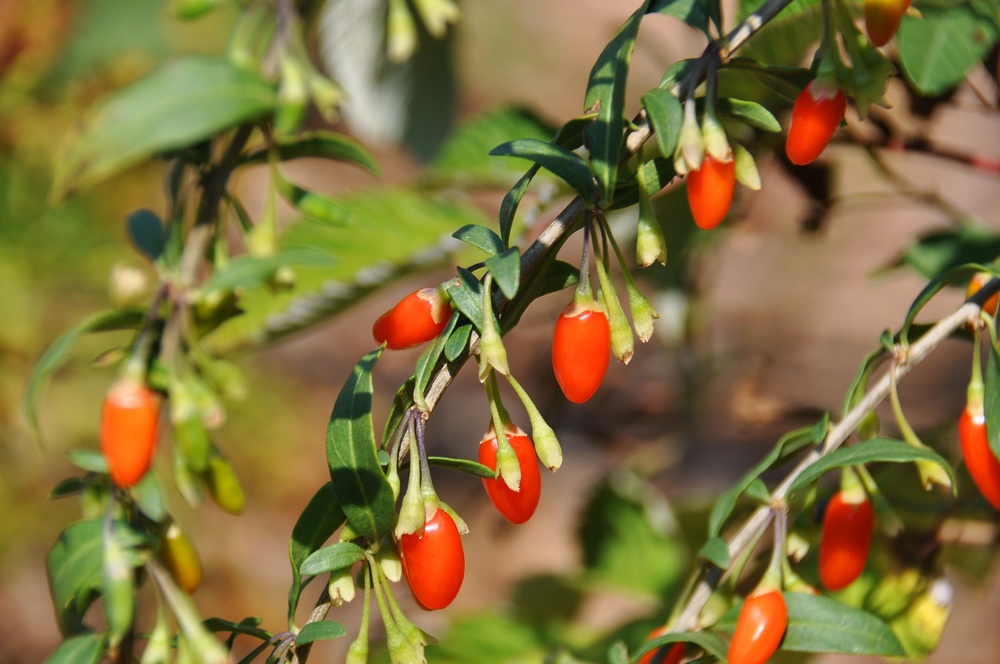 foto: Lotus Johnson, https://www.flickr.com/photos/ngawangchodron/15121728286
foto: Lotus Johnson, https://www.flickr.com/photos/ngawangchodron/15121728286
foto: Lotus Johnson, https://www.flickr.com/photos/ngawangchodron/15121728286
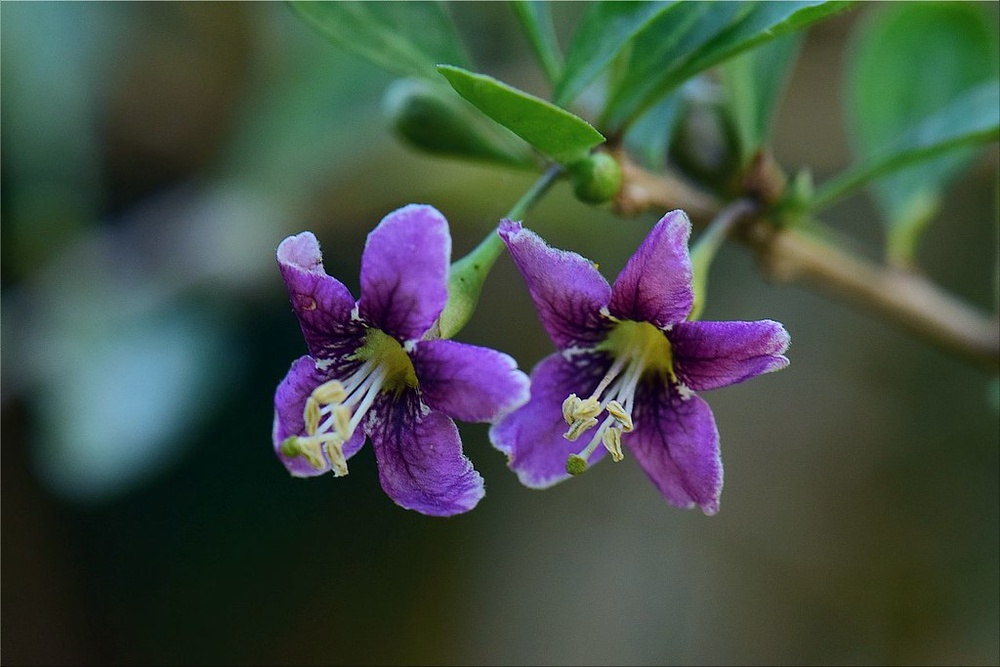 foto: Elmer Dimpeu, https://www.flickr.com/photos/128509025@N06/48648455013
Growth factors
- Frost (whole plant)
-
very strong frost
 cold frost
 mild frost
 light frost
 no frost
- Light
-
full sun
 light shade
 half shade
 fairly deep shade
 deep shade
- Wind
-
strong sea wind
 strong wind
 some wind
 sheltered
 very sheltered
- Soil moisture
-
inundation
 wet
wet moist
moist dry
dry drought
- Soil fertility
-
very rich
 rich
rich average
 poor
poor very poor
Voorkeur
Ongeschikt
Flowering and pollination
- Flowering period (length)
- several months
- Pollination vector
- insects
- Plant reproductive fertility
- self-fertile (sf)
Life Span and Plant Health
Harvest and Consumption
Fruits
Leaves
- Harvest location edible part
- Ground layer
- Size edible parts
- Small
- Harvesting period - start
- Early august
- Harvesting period - length
- Several months
- Harvesting period - recognition
- Easy, colour
- Ease of removal - edible parts
- Easy
- Vulnerability to damage during harvesting (edible parts)
- Sensitive
- Thorns
- Many or large
- Form of consumption
- Fresh
- Nutritional value - relatively high
- Minerals
- Existing and predicted market demand processed
- Yes, market stays repleted
- Existing and predicted market demand fresh
- Yes, market stays saturated
- Productive life span - start (year) - minimum
- 2
- Productive life span - start (year) - maximum
- 3