

Taraxacum officinale
Paardenbloem / Dandelion
Asteraceae (Composietenfamilie)Africa (north), Northern America (whole), Asia (whole), Asia (west), Europe (whole)
Edible plant part (3)
Flowers,
leaves,
roots
Read 'form of consumption' for safe preparation methods
Dandelion belongs to the herbacious layer in the food forest. In the process of ecological succession it is an early species. The growth rate is fast. Fully grown the plant has an average height of 0.05 to 0.4 meter and a width of 0.15 to 0.4 meter.
The Dandelion is semi-evergreen.
This species forms a taproot deep root system. Dandelion is no nitrogen fixer.
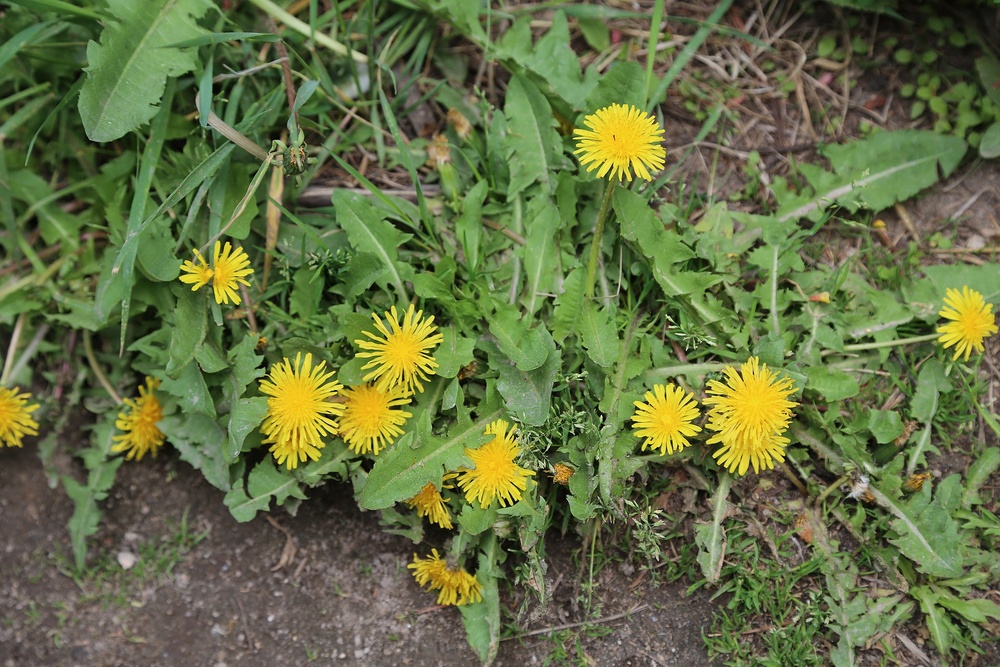 foto: Dcrjsr, https://commons.wikimedia.org/wiki/File:Common_dandelion_Taraxacum_officinale_flowers.jpg
foto: Dcrjsr, https://commons.wikimedia.org/wiki/File:Common_dandelion_Taraxacum_officinale_flowers.jpg
foto: Dcrjsr, https://commons.wikimedia.org/wiki/File:Common_dandelion_Taraxacum_officinale_flowers.jpg
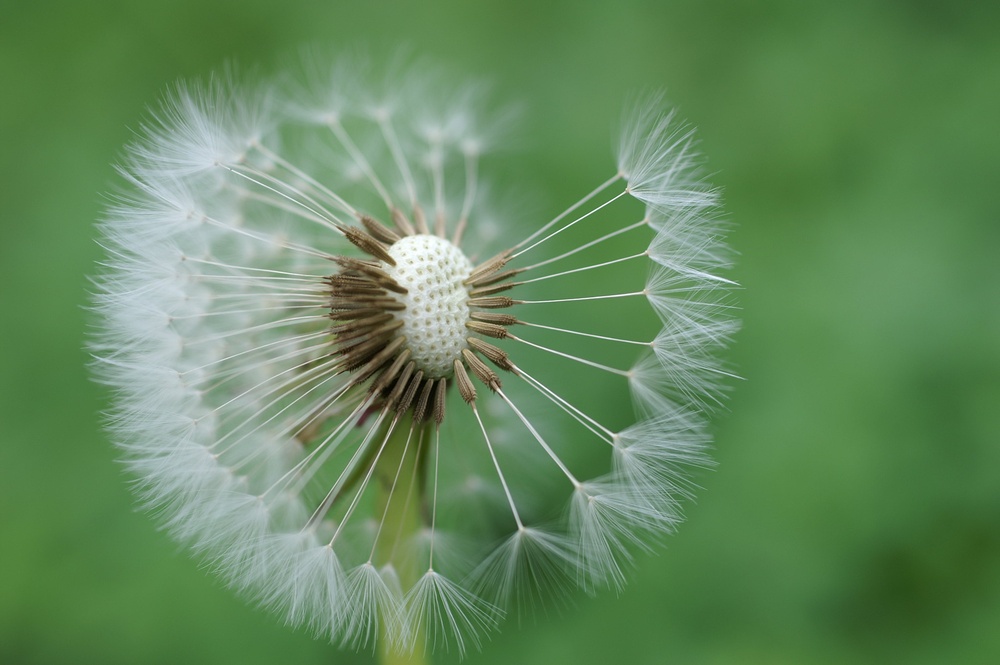 foto: Harry Rose, https://www.flickr.com/photos/macleaygrassman/16375088191
Growth factors
- Frost (whole plant)
-
very strong frost
 cold frost
 mild frost
 light frost
 no frost
- Light
-
full sun
 light shade
 half shade
 fairly deep shade
 deep shade
- Soil texture
-
sand
 loam
loam light clay
 heavy clay
 peat
peat
- Soil moisture
-
inundation
 wet
wet moist
moist dry
dry drought
- Soil acidity
-
very acid
 acid
acid slightly acid
 neutral
 alkaline
- Soil fertility
-
very rich
 rich
rich average
 poor
poor very poor
Flowering and pollination
- Flowering period (peak)
- early march
- Flowering period (length)
- several months
- Plant reproductive fertility
- self-fertile (sf)
Life Span and Plant Health
Disease susceptibility
resistantHarvest and Consumption
Flowers
Leaves
Roots
- Harvesting period - start
- End of march, end of june
- Harvesting period - length
- Several months
- Form of consumption
- Processed
- Nutritional value - relatively high
- Minerals
- Harvesting period - start
- End of march
- Harvesting period - length
- Several months
- Form of consumption
- Fresh
- Nutritional value - relatively high
- Vitamins
- Harvesting period - start
- End of september
- Harvesting period - length
- Several months
- Form of consumption
- Processed